
Benzene Fuel Storage Tank - Clean, Gas-Free & Surface Preparation for EEMUA 159 Inspection
Introduction
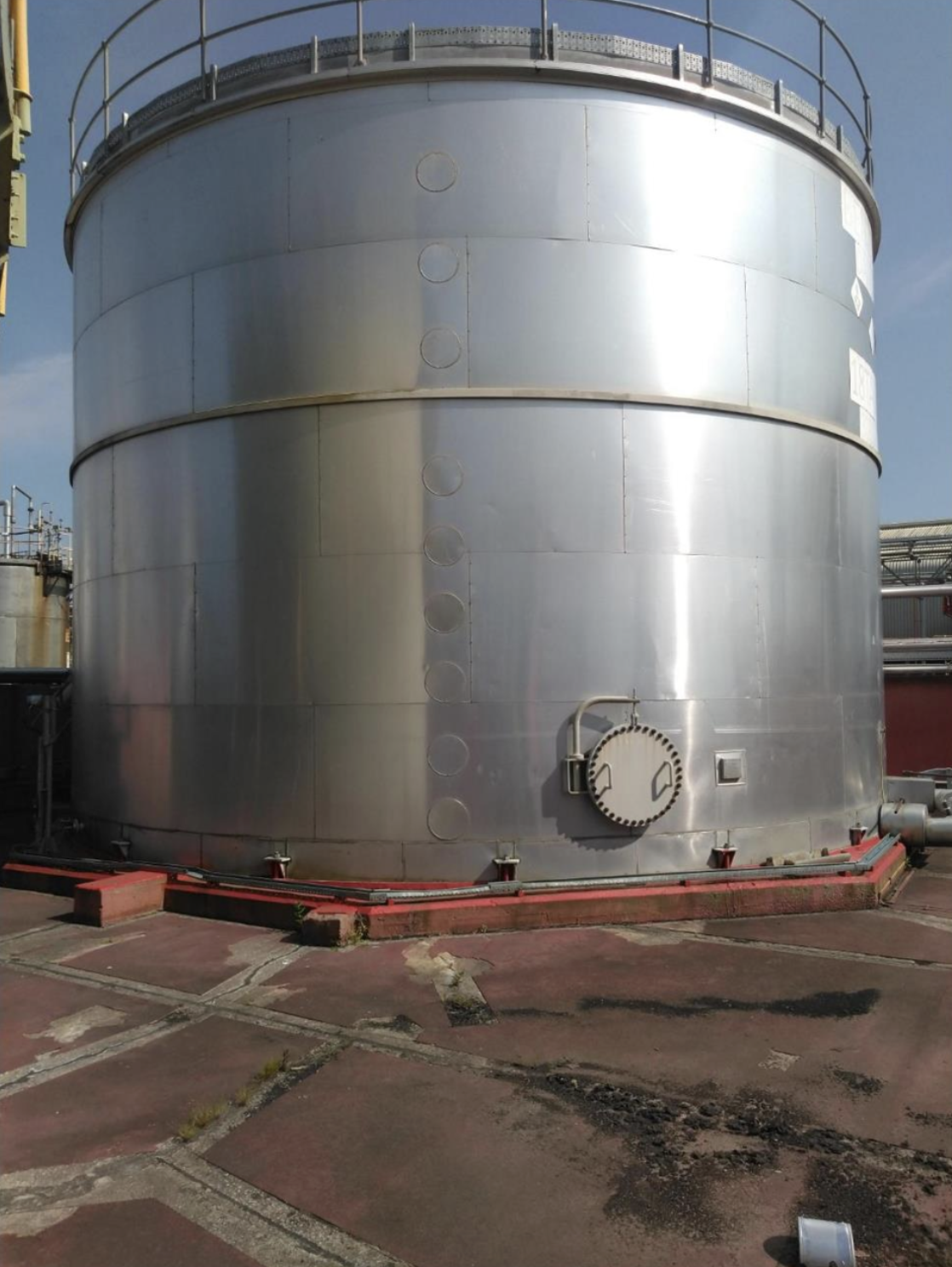
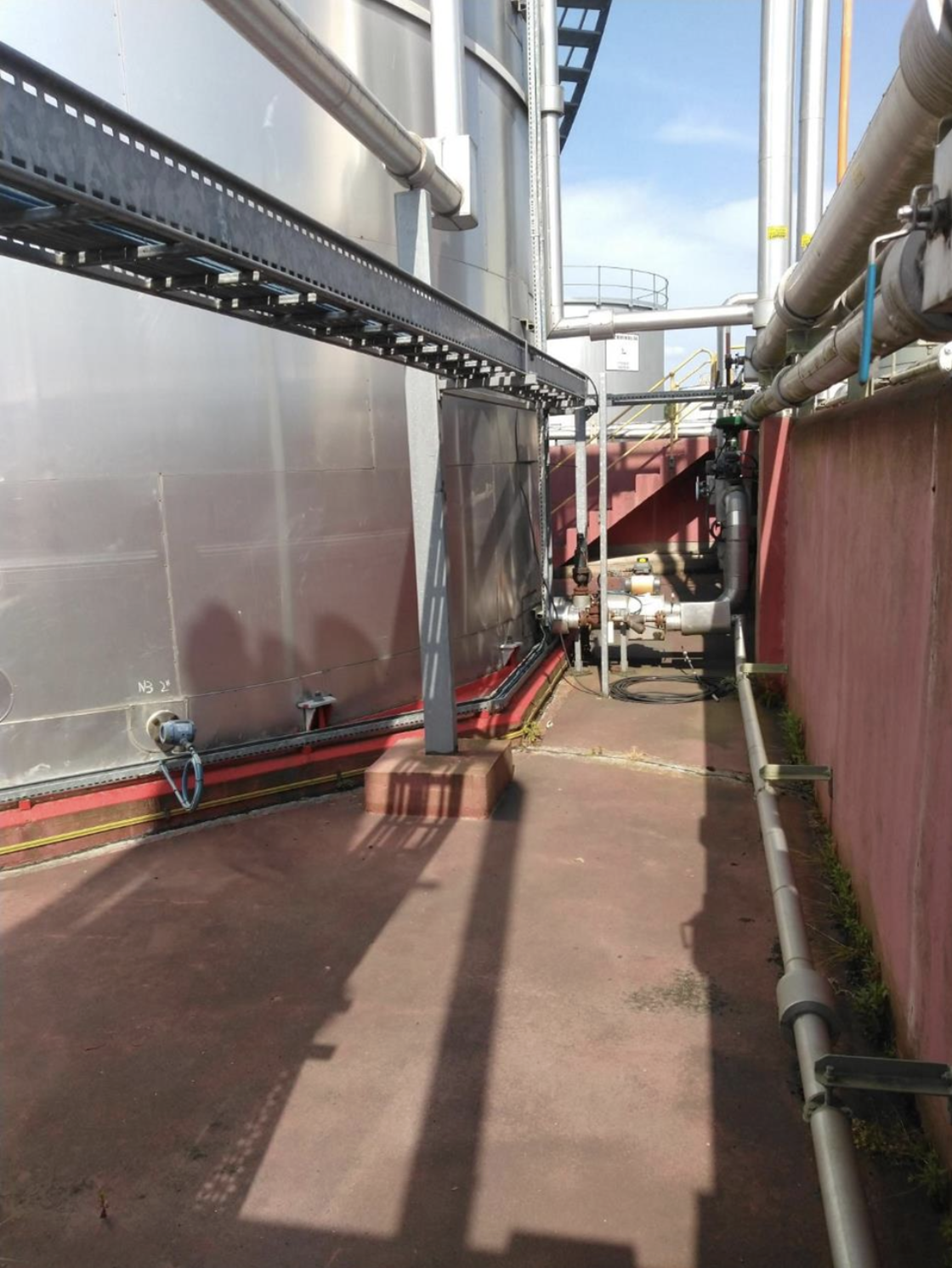
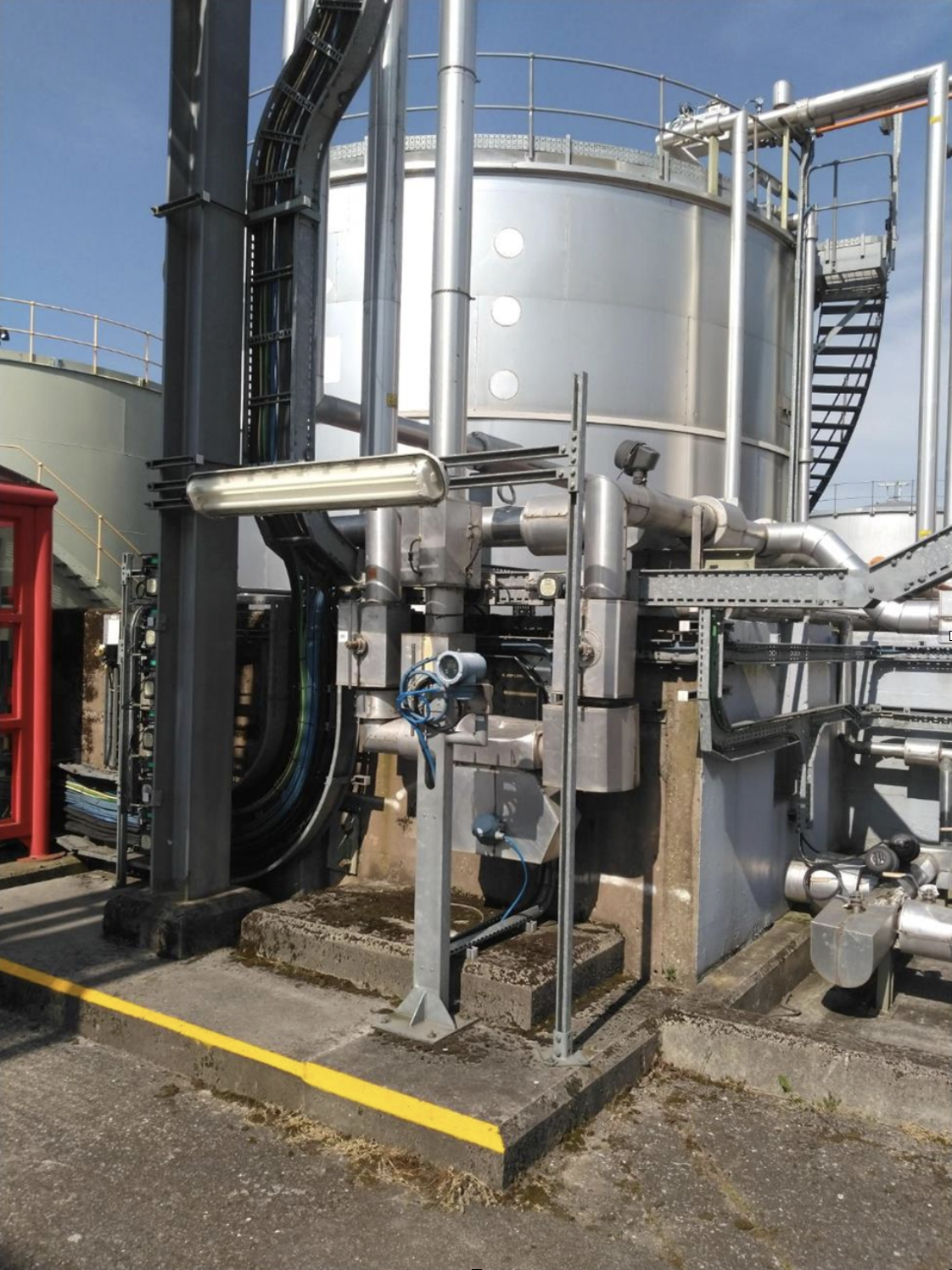
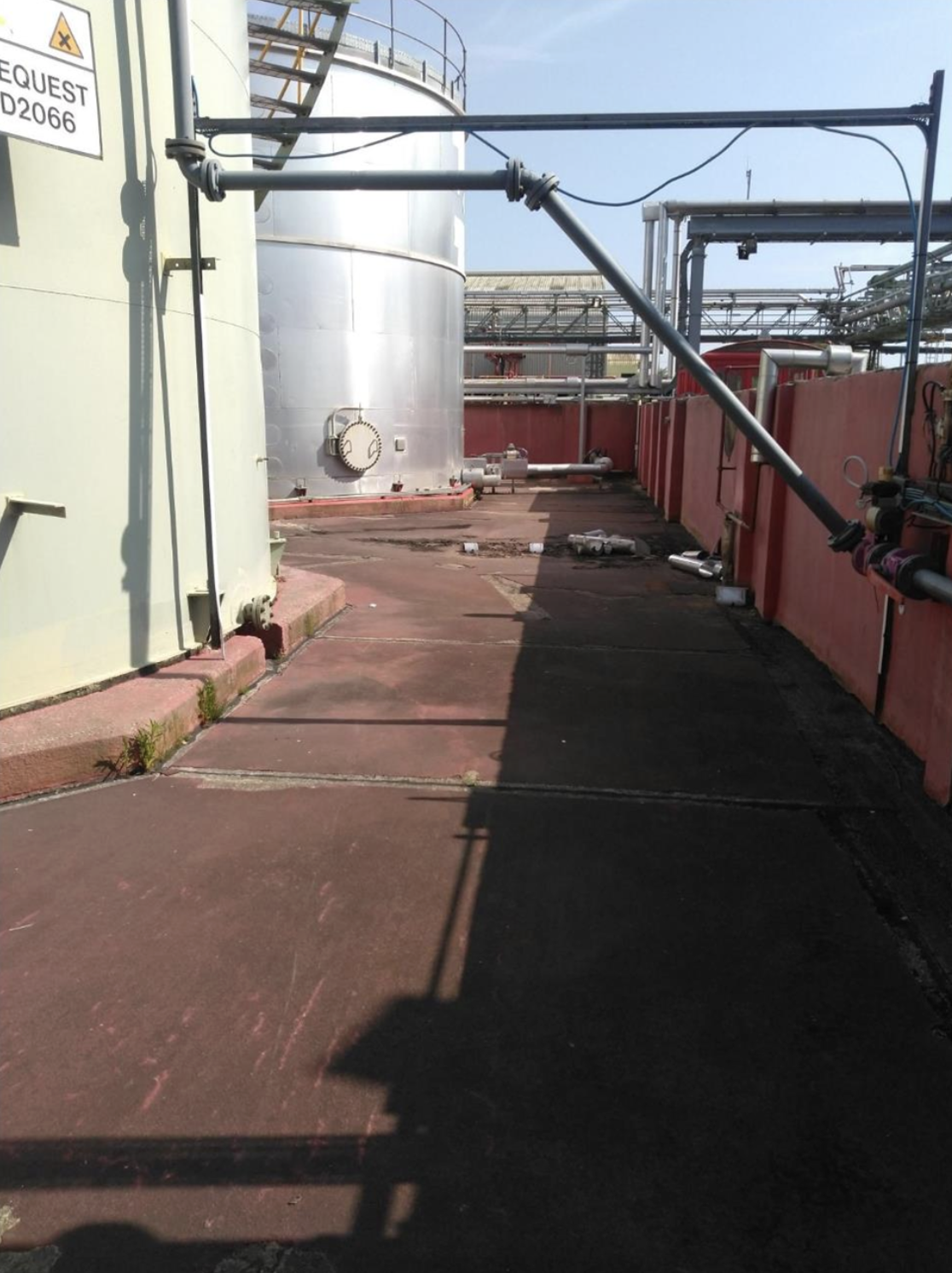
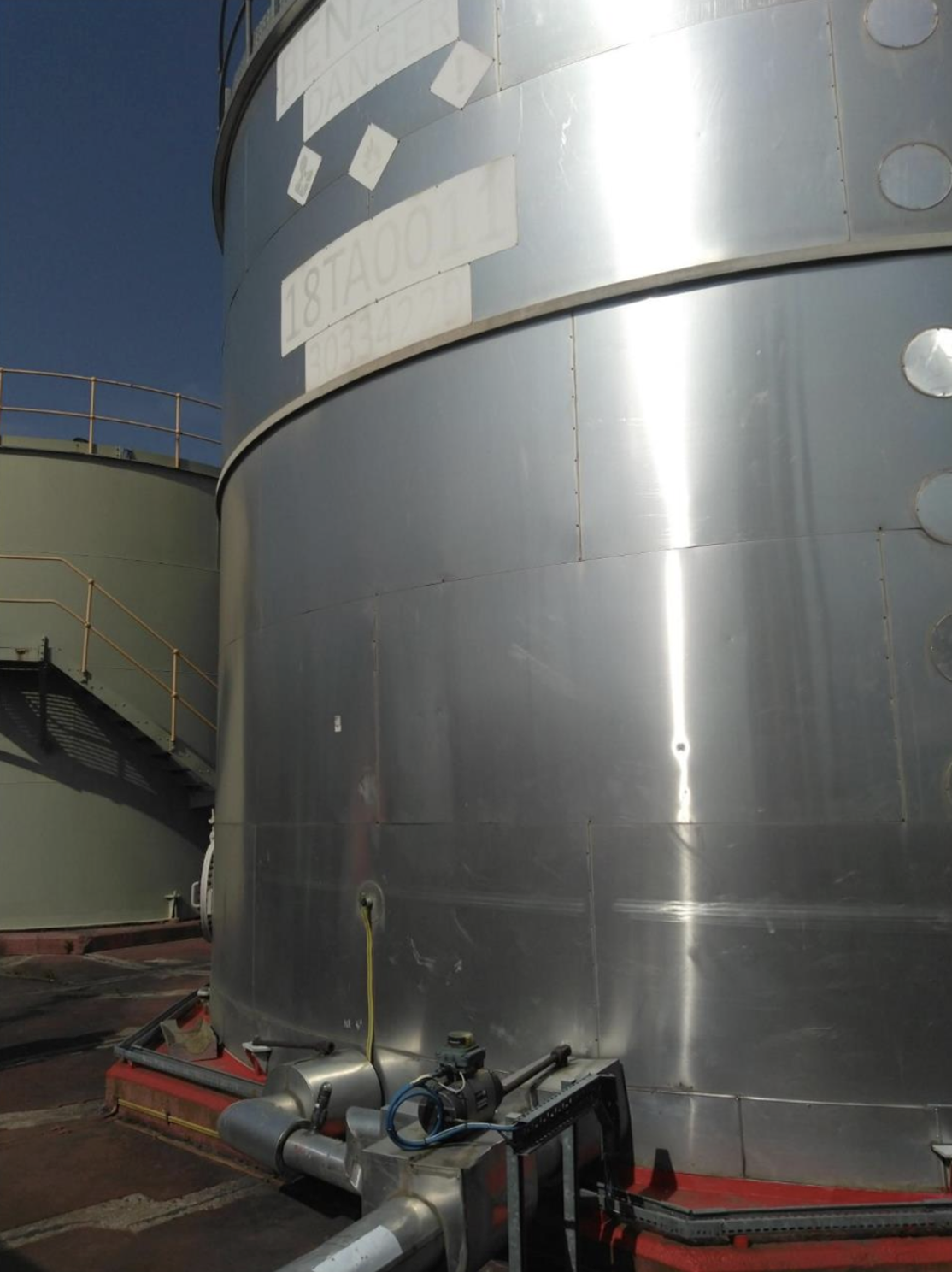
A major UK chemical manufacturer required the cleaning, de-gassing, and internal surface preparation of a 12.0m diameter × 14m high benzene storage tank at a COMAH Upper Tier Site. The work was carried out to achieve gas-free certification and meet the surface preparation requirements for a scheduled EEMUA 159 inspection.
Our Solution
UCL implemented a multi-stage programme beginning with the controlled extraction and transfer of residual benzene to an on-site processing facility under stringent COMAH protocols. Internal surfaces were cleaned using a 3D remote-controlled automated jetting unit. De-gassing was managed using industrial-grade filtration with controlled venting systems compliant with EA regulations, preventing vapour release throughout. Hazardous washings were contained and transported via NDR Rated Tanker to an EA-approved recycling facility, with disposal conducted in accordance with Waste Acceptance Criteria (WAC).
Following gas-free certification, internal surfaces were manually abrasive blasted to ISO 8501-1 Sa2½ (Grade C/D) / SSPC SP-10 / NACE No. 2 using inert mineral abrasives. Operatives worked in full blast cleaning suits with positive air-fed helmets; HEPA-filtered dust extraction units controlled airborne contaminants. All surfaces were vacuum-cleaned post-preparation, and spent abrasive underwent WAC testing prior to disposal.
Key Benefits
- Tank cleaned, de-gassed, and certified gas-free in compliance with COMAH Upper Tier requirements
- Zero hazardous vapour emissions achieved through EA-compliant industrial filtration and venting systems
- All hazardous waste transported and disposed of under WAC and EA standards via NDR Rated Tanker
- Internal surfaces prepared to ISO 8501-1 Sa2½ / SSPC SP-10 / NACE No. 2, meeting EEMUA 159 inspection criteria
- Remote-controlled automated jetting reduced manual personnel exposure to benzene-contaminated surfaces
- HEPA-filtered dust extraction maintained effective containment of airborne abrasive contaminants throughout blasting operations
Conclusion
The tank was delivered clean, gas-free, and surface-prepared to the required standard, ready for EEMUA 159 inspection on programme. This project demonstrates UCL's capability to execute complex, multi-discipline hazardous tank interventions on COMAH-regulated sites to the highest safety and environmental standards.
Our services.
The disciplines behind work like this — browse by what you need.
Industrial Coatings
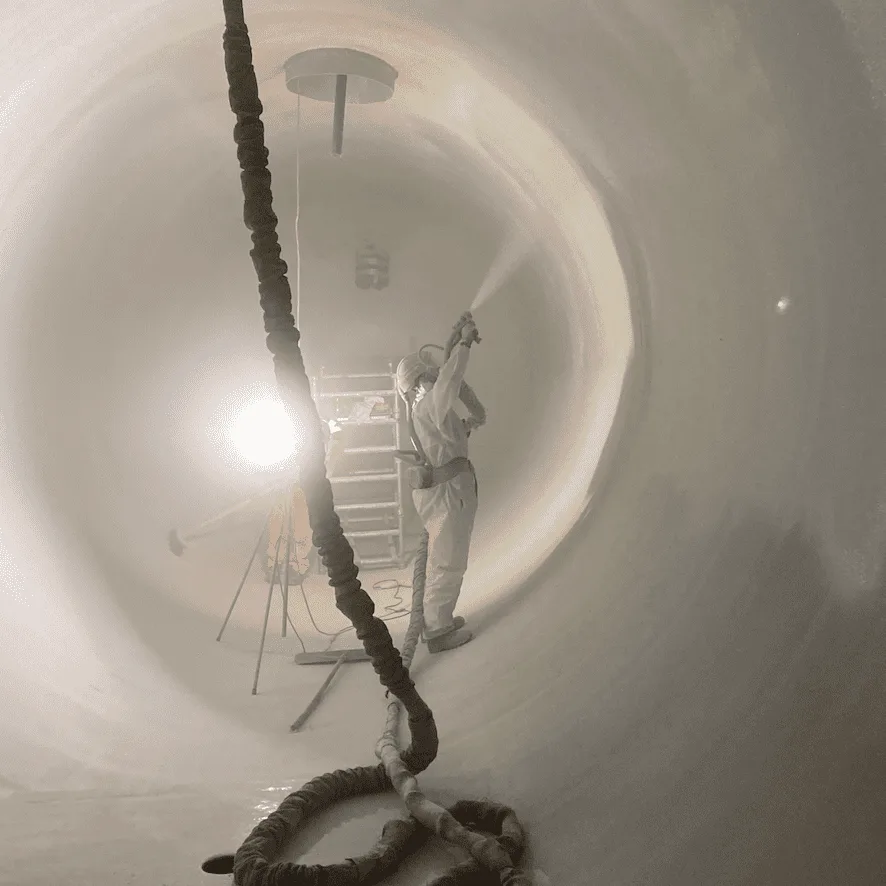
UCL Ltd delivers industrial coatings through Ultimate Coatings, protecting tanks, pipework, concrete and structural steel against corrosion and chemical attack.
Civils & Mechanical Engineering
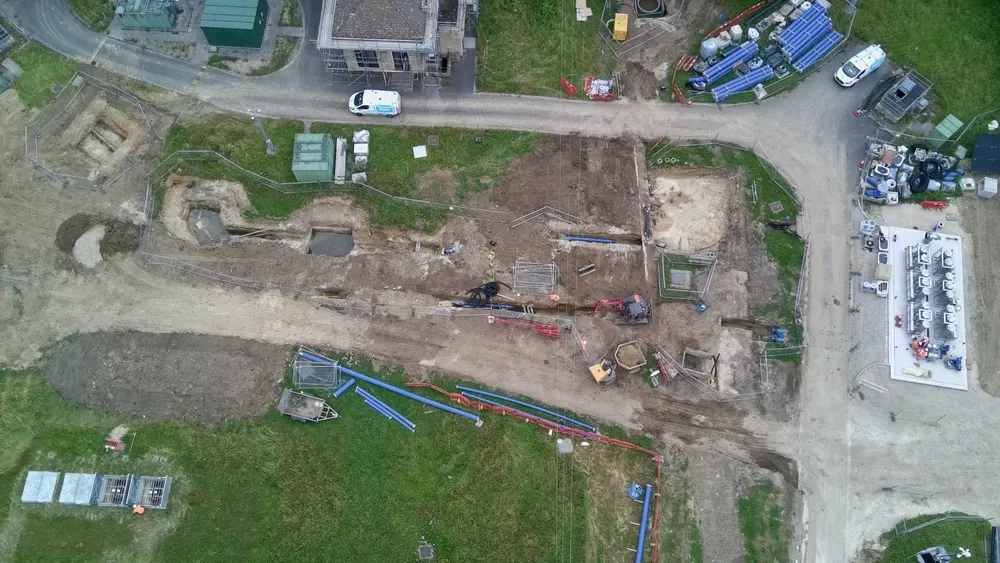
Mechanical installations and civil engineering works delivered by one accountable contractor, from design to completion.
Concrete Repair & Anti-Carbonation Coatings
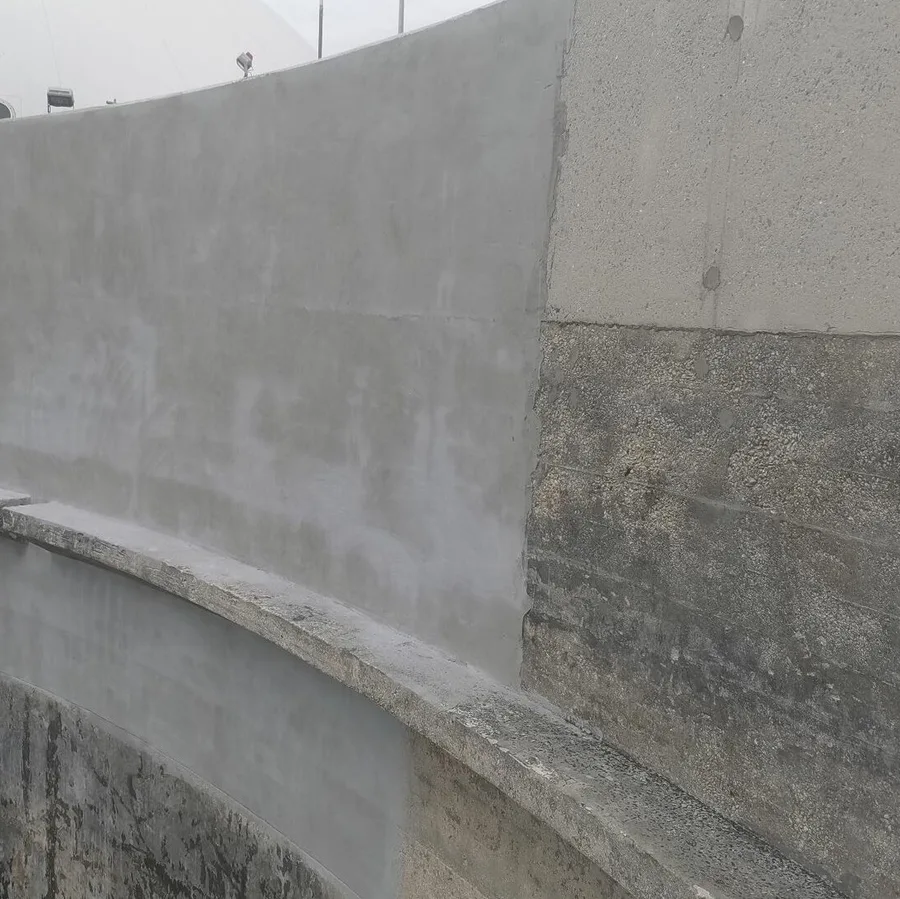
UCL Ltd repairs and protects concrete infrastructure showing cracking, spalling or carbonation damage, restoring structural integrity without full replacement.
More case studies.
Other projects from across the UK.
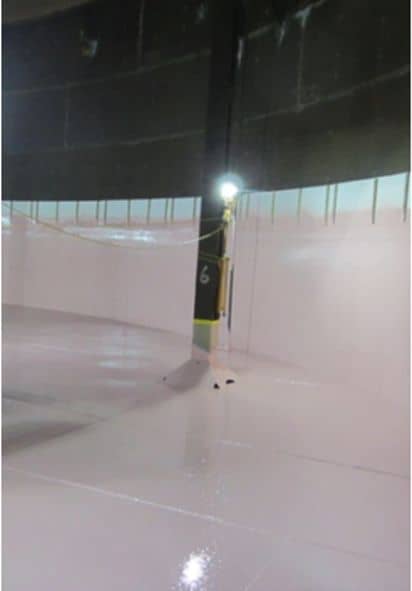
Epoxy Lining for Semi-Buried Fuel Tank
A partially buried fuel tank required remedial maintenance coating to restore containment integrity.
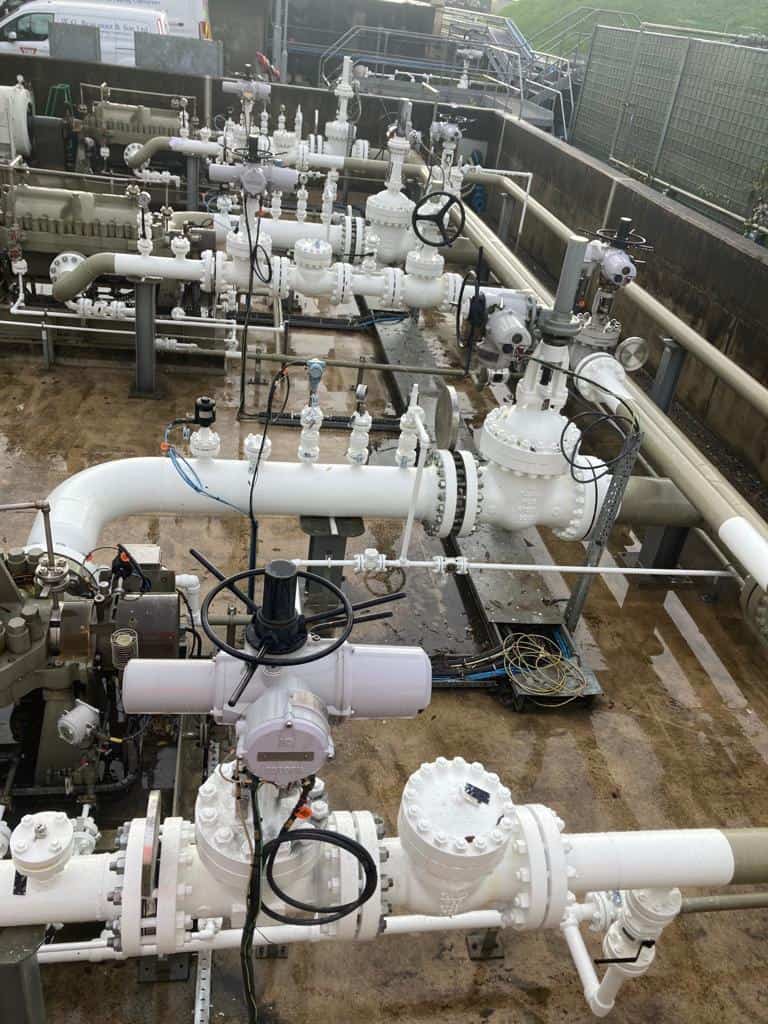
Protective Epoxy Coating for Pipework in Fuel Facility
A major UK fuel supplier identified corrosion on pipework within an operational fuel facility, requiring targeted recoating as part of scheduled maintenance.
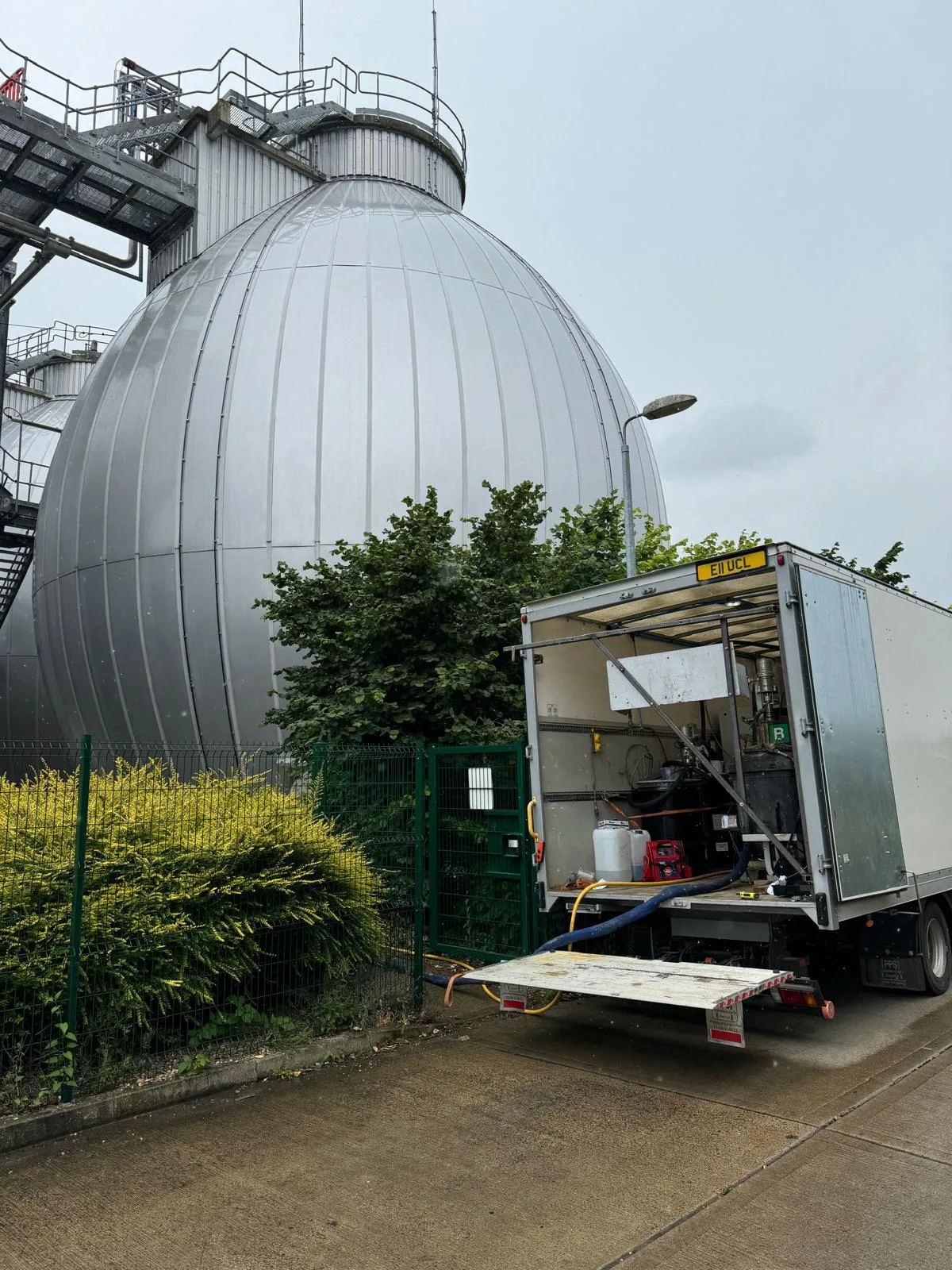
Anaerobic Digester Asset Refurbishment
UCL Ltd delivered structural refurbishment and gas-leak sealing of asset-critical, egg-shaped anaerobic gas digesters, securing a projected 50-year design life.